Campaign
One idea carried across print, screen and a six-metre wall, from a single shoot.
Ondine (concept)
THE DARKROOM
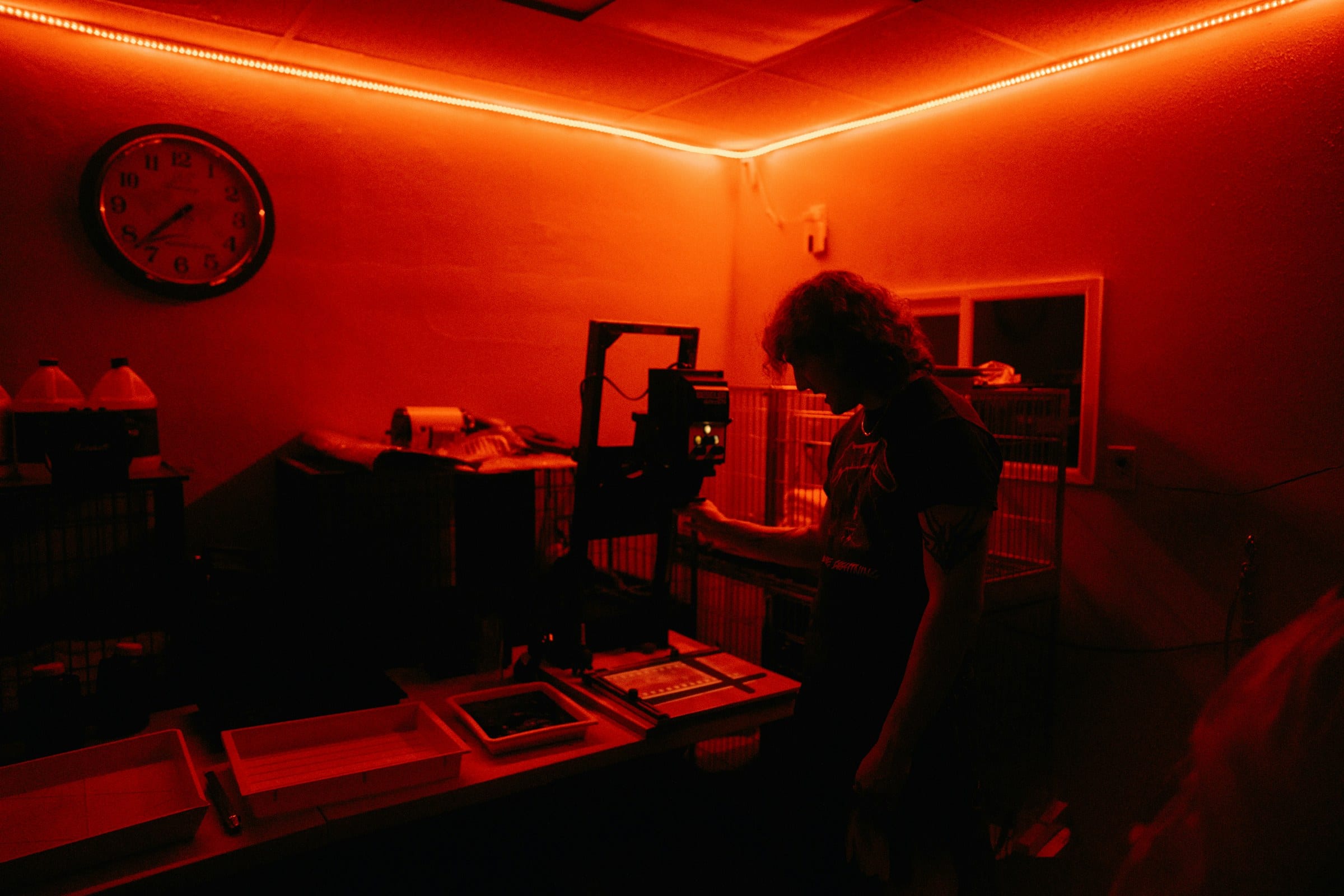
The Darkroom is how Halide works. Anything that can be decided before the shoot is decided before it. On the day, we light what was drawn. Afterwards, every file is graded to a measured profile and leaves with a printed proof and a sheet of checks, including the ones that didn't pass.
01 · PLAN
A shot list, a moodboard and a light diagram for each set, agreed with you before anyone books a van. The shoot day is for making pictures, not decisions.
02 · LIGHT
We build the light the diagram describes, then shoot tethered and check each frame at 100% on a calibrated screen. Nothing is left for retouching to rescue.
03 · GRADE
Colour is matched to a reference chart shot under the same light, not to taste on a laptop. One profile per set, so frame one and frame forty agree.
04 · PROVE
Every delivery ships with a printed proof and a proof sheet of measured checks. If a number misses, it is on the sheet, with what we did about it.
WHAT WE MAKE
Four kinds of photograph, one way of working. Each one ships with its proof print and its proof sheet.
One idea carried across print, screen and a six-metre wall, from a single shoot.
Ondine (concept)
Glass, metal, fabric and food, lit so the material reads before the label does.
Ondine (concept)
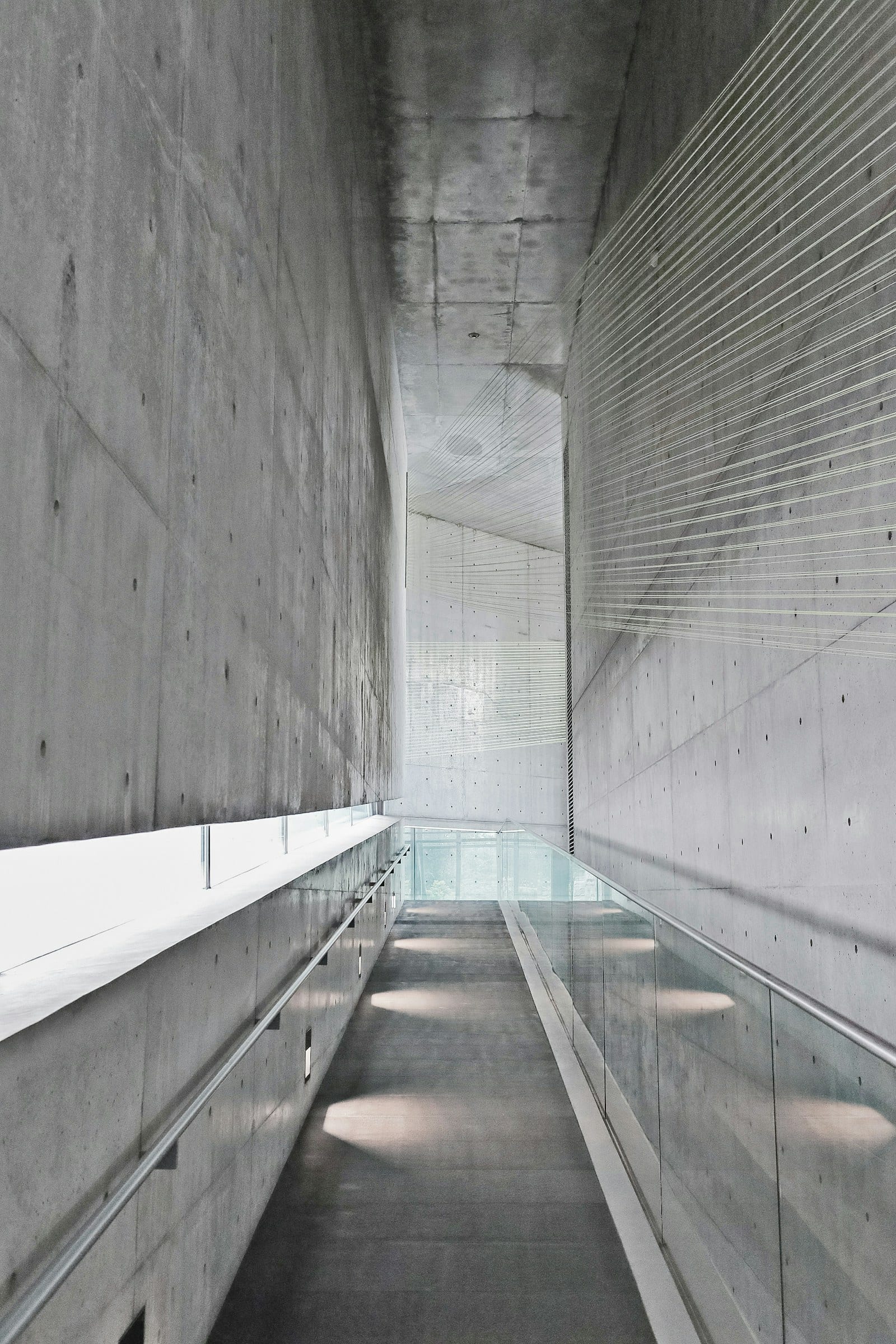
Buildings across a day, verticals corrected in camera, shadows on purpose.
Casa Tierra (concept)
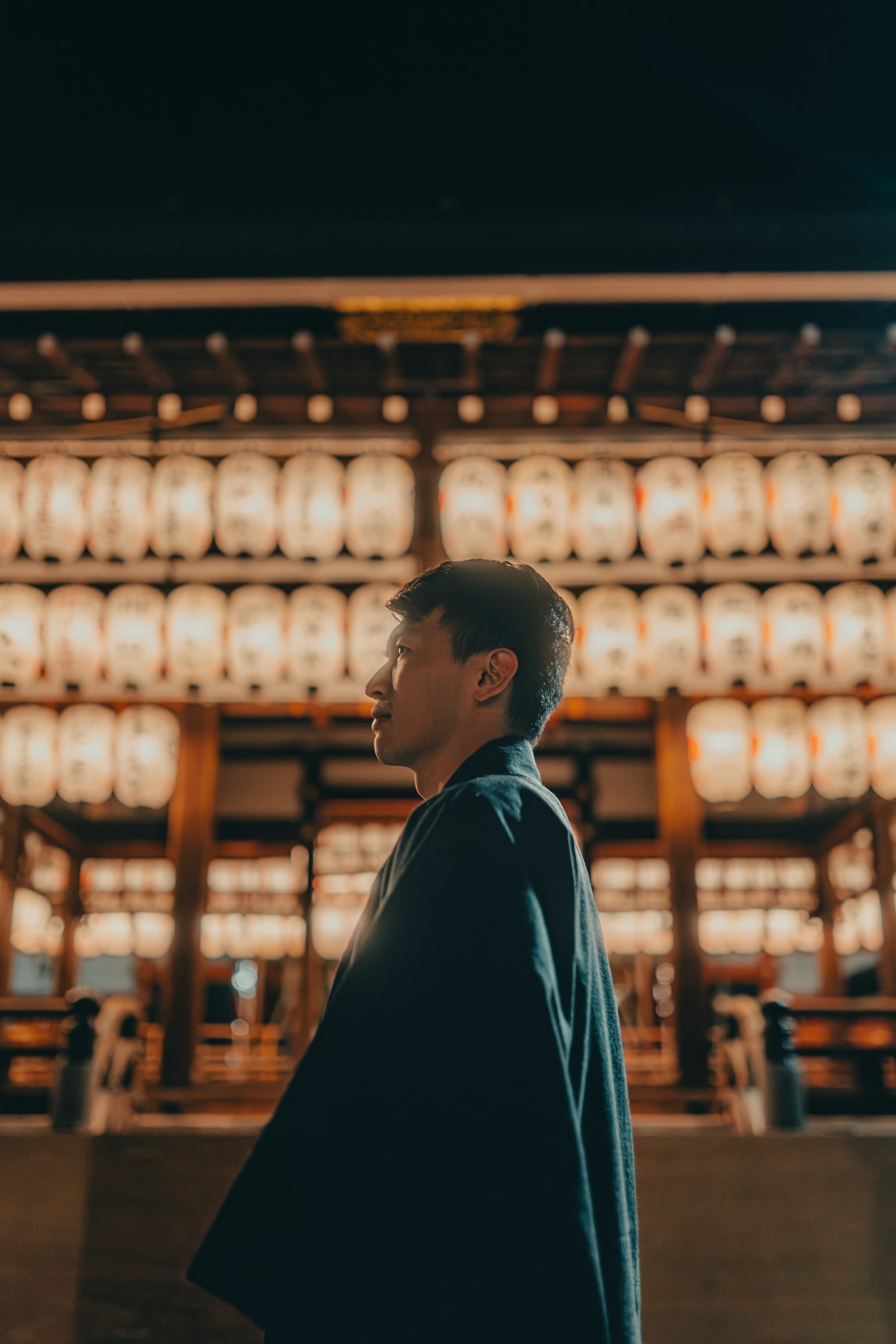
People where they already are, in available light, with their consent on file.
Maré Journal (concept)
You send what you have, however rough. We answer with questions before we answer with a price, because most of the cost of a photograph is decided by where it will hang and how big.
WHAT WE CHECK HERE: every question answered in writing before a quote. Ondine: five questions, one call, one page.
| we ask | because it decides | ondine answered |
|---|---|---|
| Where will it be seen? | size, sharpening, ratio | print, product page, one 6 m wall |
| How large, at most? | camera, lens, number of frames | A2 at 300 dpi |
| What must it not look like? | almost everything else | a beauty counter |
| Who signs off? | where the proof print goes | one name |
| How long, and where, will you use it? | the licence and the metadata | 3 years, worldwide, all media |
Before a light is booked, the shoot is written on one page: what the pictures are in one sentence, and what they have to do at every distance they will be seen from. We agree it with you, and only then plan anything.
WHAT WE CHECK HERE: nothing is booked before this page is signed. Ondine: signed on day 3, shot on day 19.
A bottle that seems to have just come up out of the water: beaded glass, one light from behind, and everything else left quiet.
Read as one shape of light in one second, at 400 px wide.
Hold up at arm's length: every droplet sharp, the glass clean.
At six metres, still no visible retouching in the glass.
Splashes for the sake of it, gold, a hand.
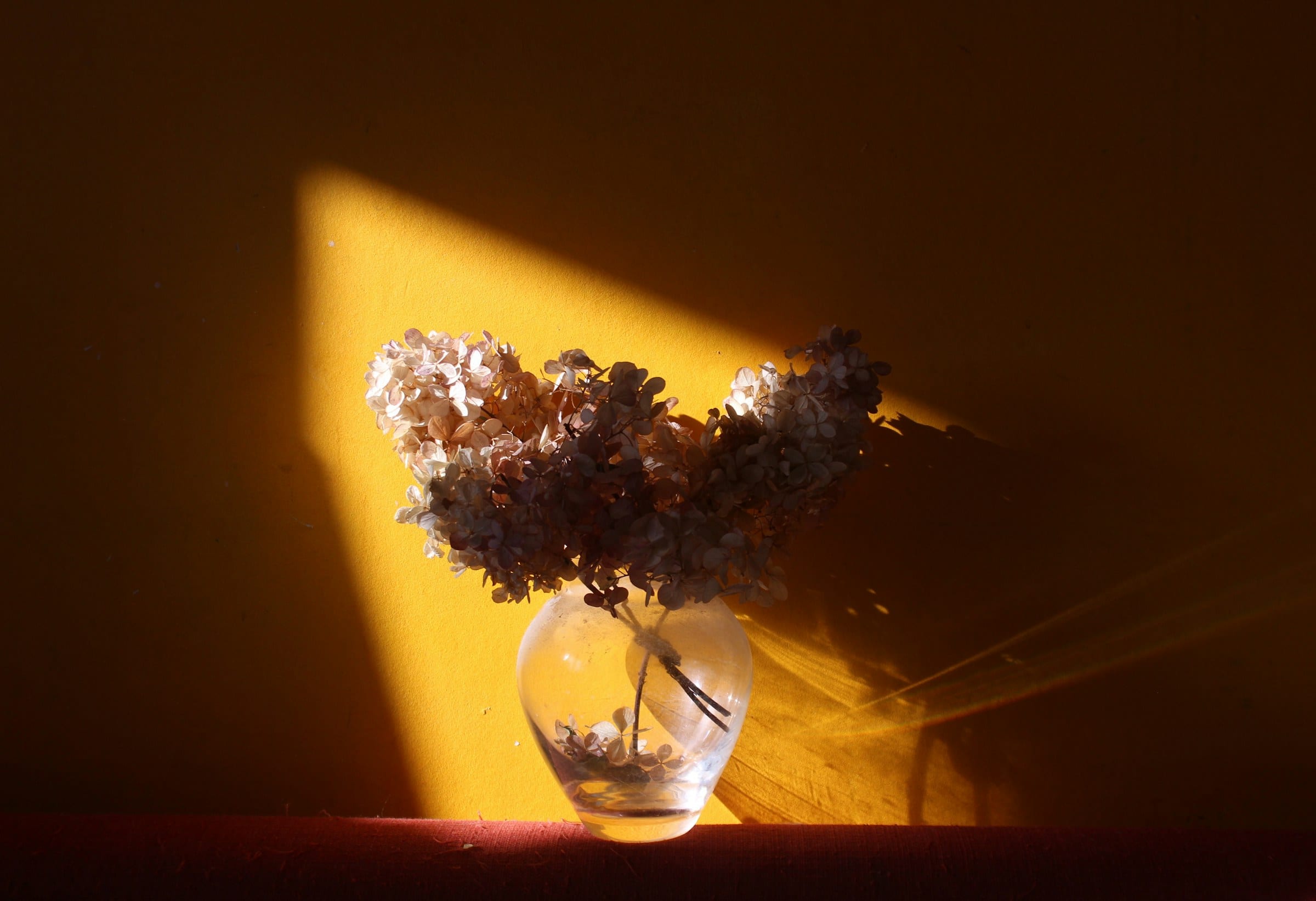
The moodboard fixes the light and the colour, not the composition. The shot list fixes everything else: every frame with its ratio, its light and the place it will be used. You can count the shoot before it happens.
WHAT WE CHECK HERE: every frame on the list has a use. Ondine: 6 frames planned, 6 delivered, each in 2 formats and 4 crops.
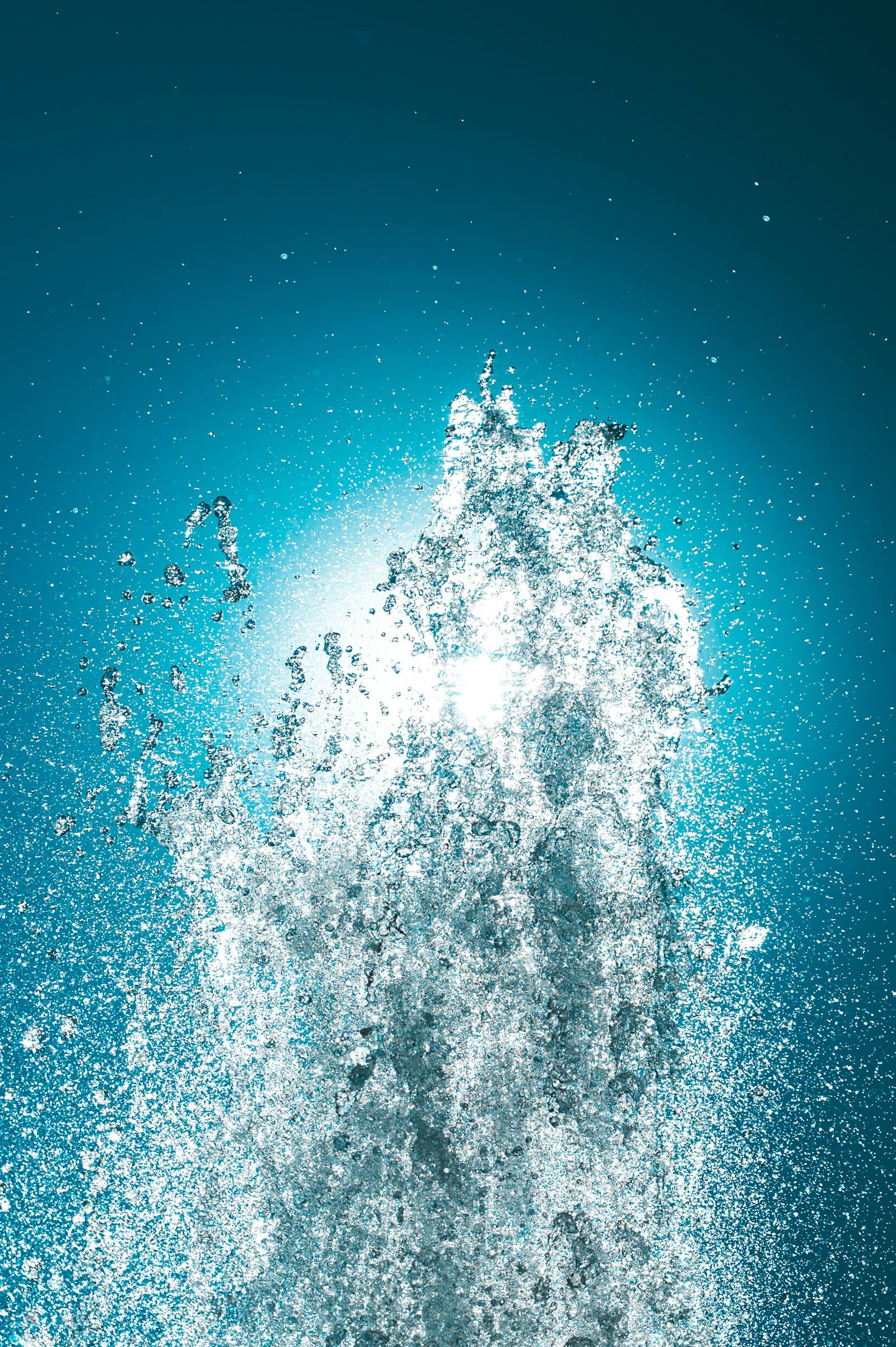
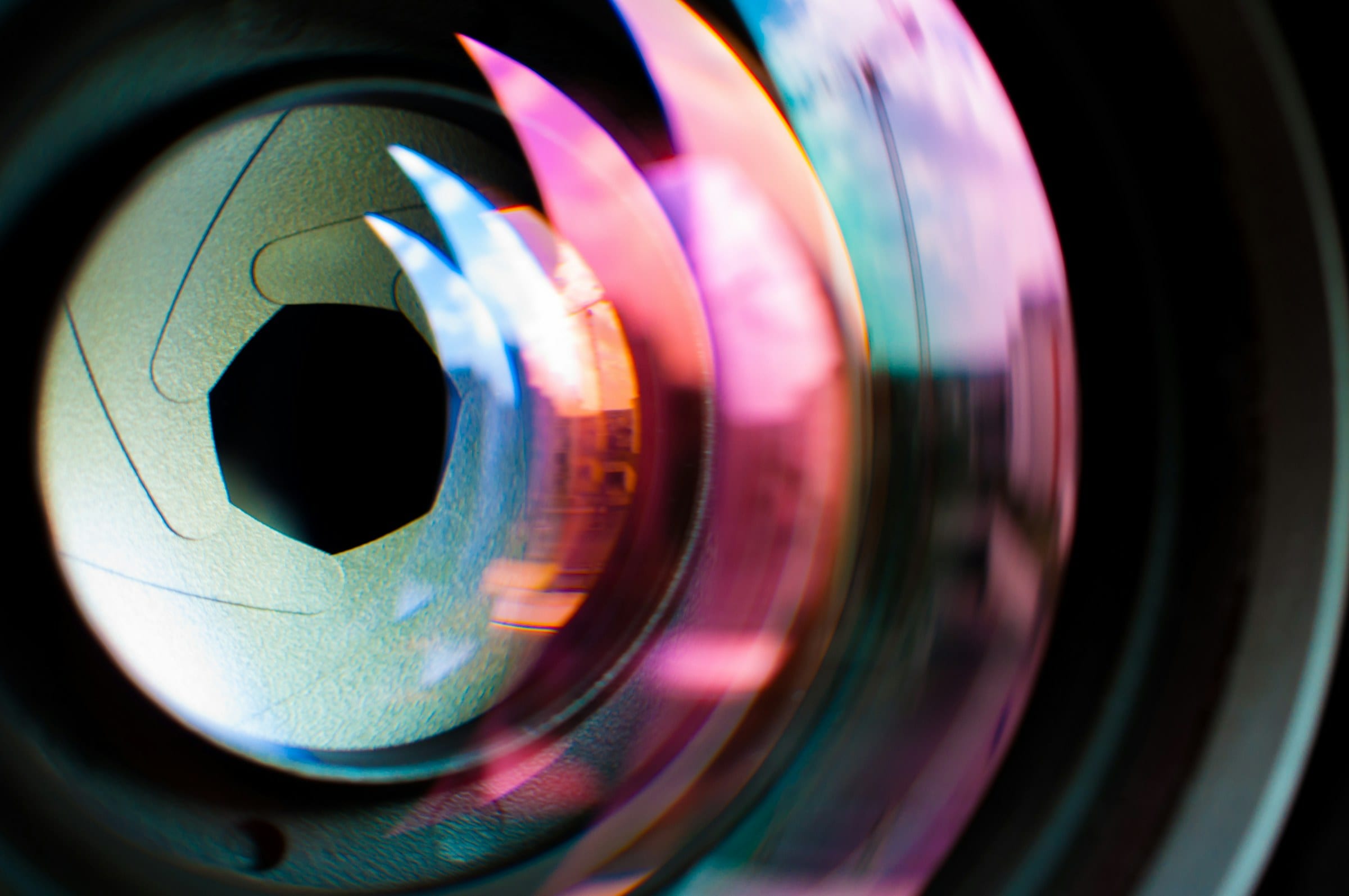
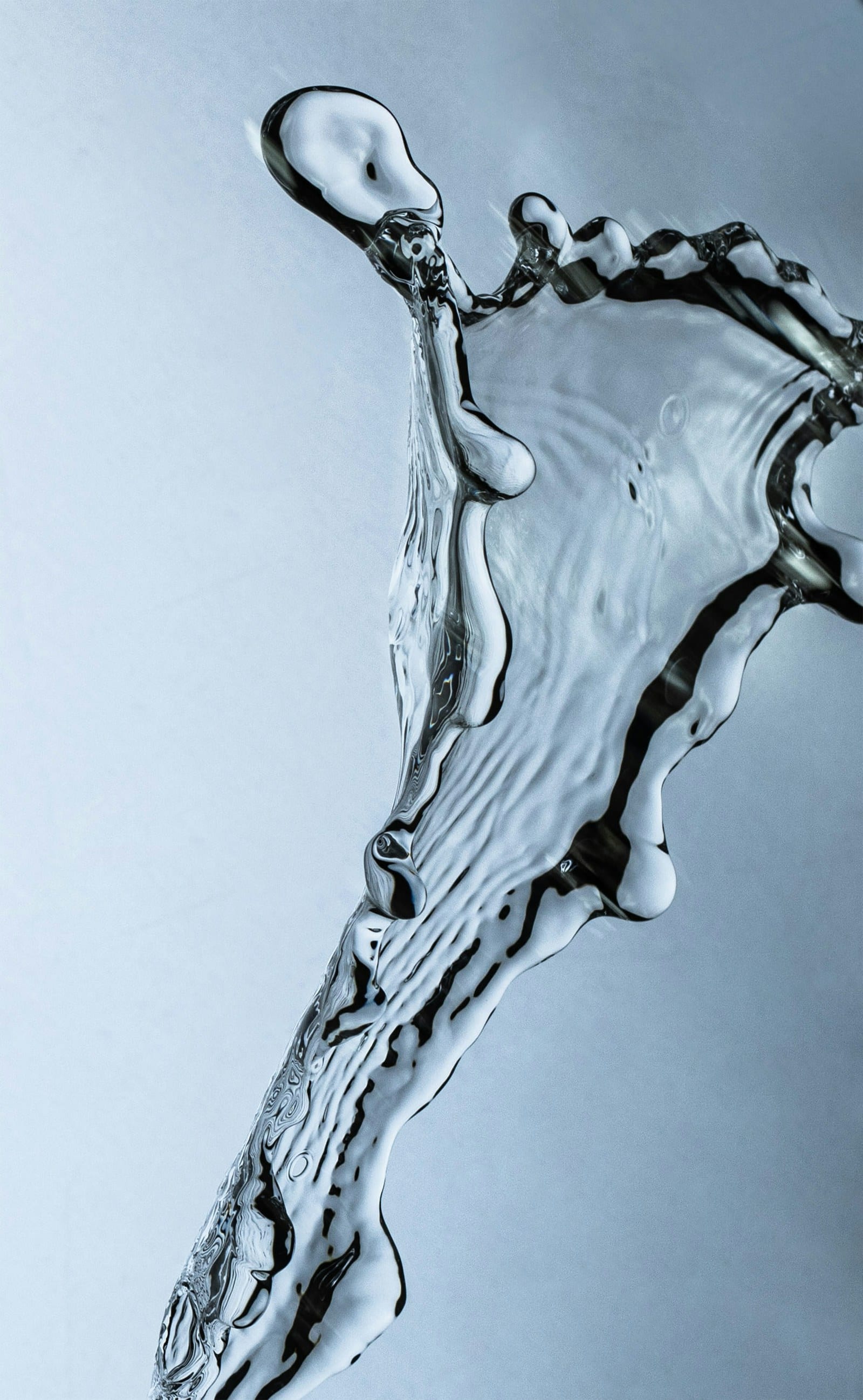
| # | frame | ratio | light | used for |
|---|---|---|---|---|
| 01 | glass beaded with water | 4:5 | strip behind, through glass | key visual, print |
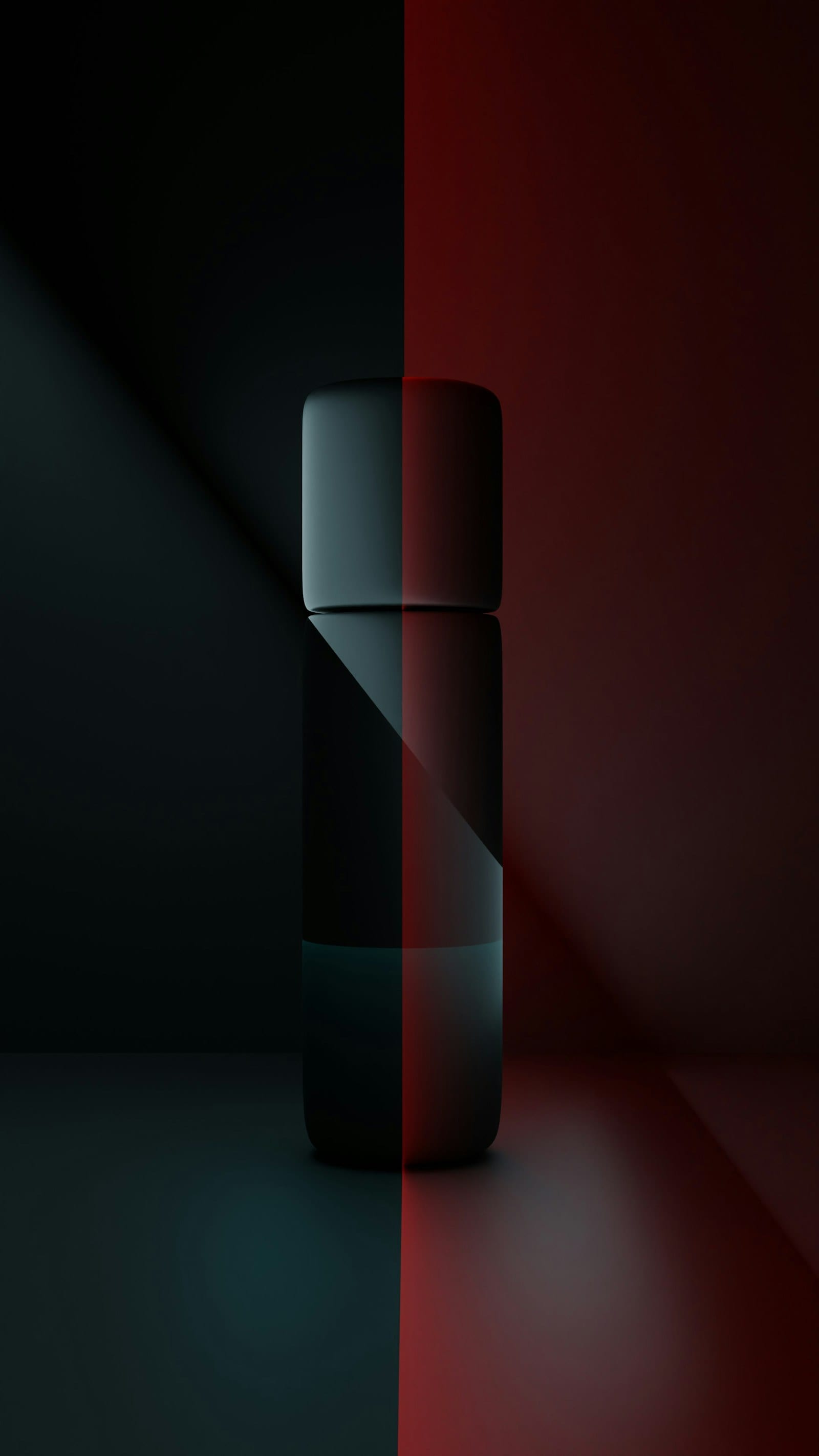
| 02 | bottle split by red and teal light | 9:16 | two gelled strips, either side | counter screen |
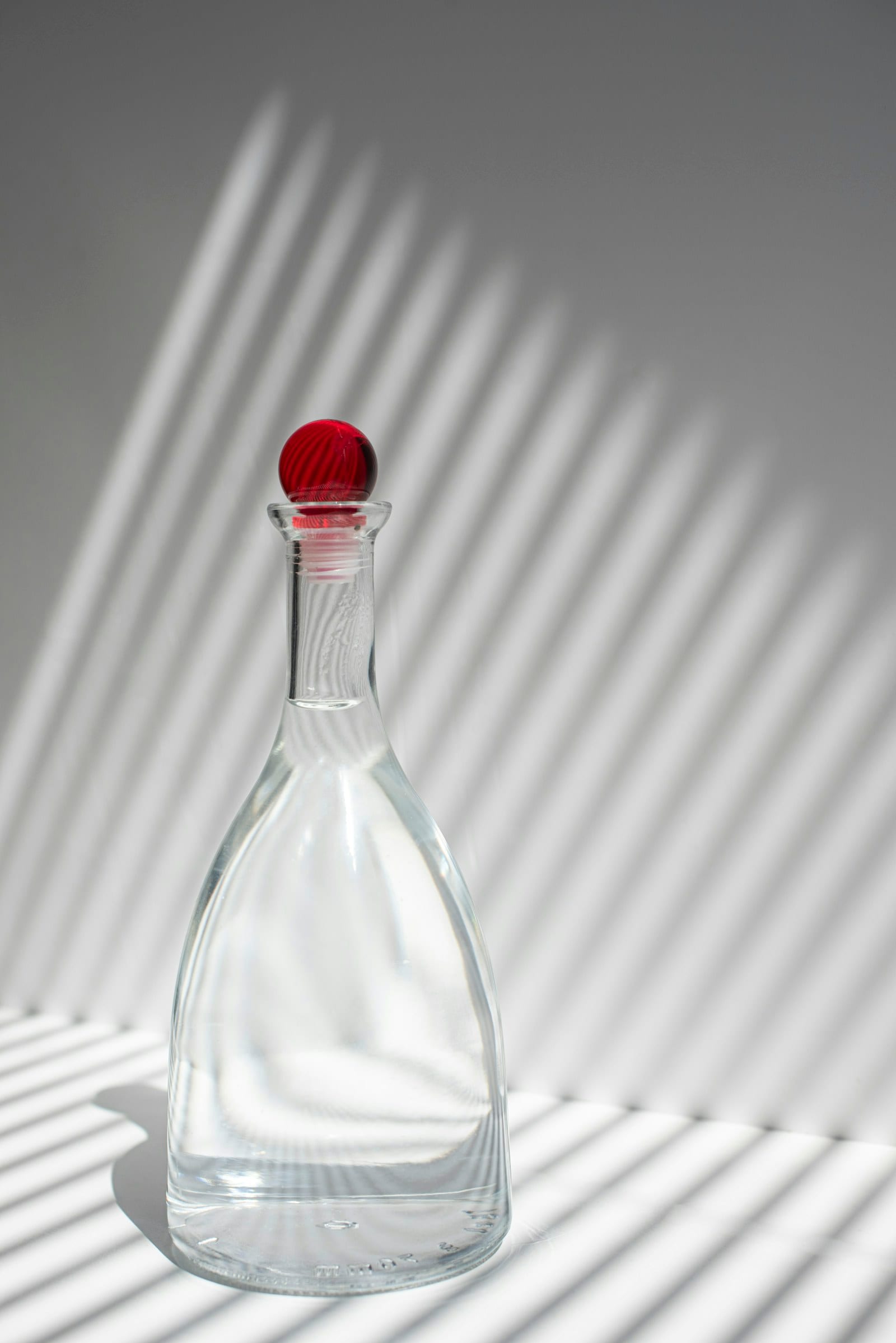
| 03 | bottle in a shaft of sun | 4:5 | one hard key at 30° | product page |
| 04 | water, no bottle | 3:2 | two heads, 1/8000 s flash | sequence opener |
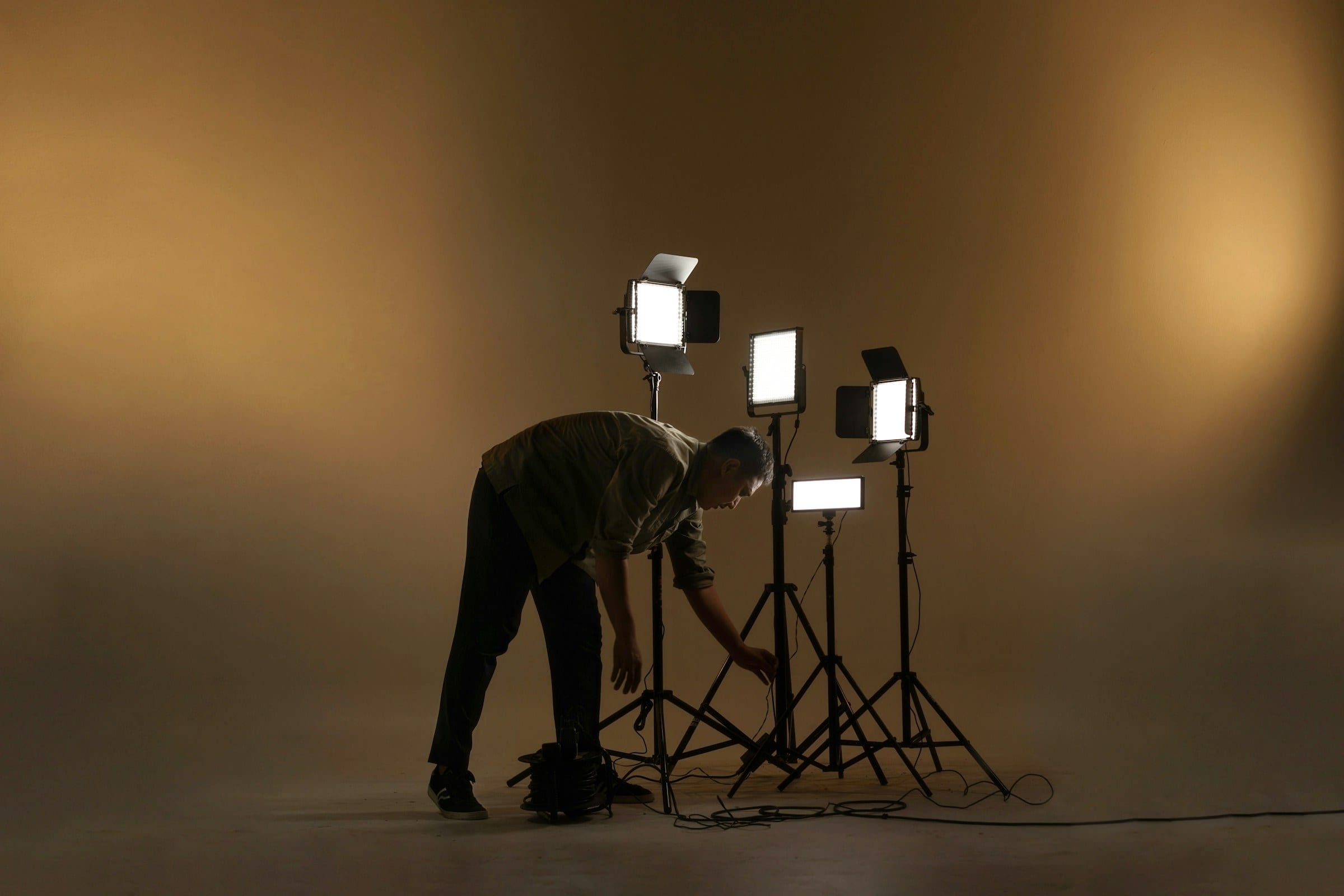
Every set gets a light diagram: where each light stands, what it does, what is flagged off and where the camera sits. The crew builds from the drawing, and the drawing goes in the archive, so a reshoot in a year matches.
WHAT WE CHECK HERE: the set is built from the diagram, and the diagram is photographed next to the set. Ondine frame 01: one light, one card, two flags.
We shoot tethered to a calibrated screen and look at every frame at 100% before moving the light. A reference chart is shot at the start of every set and whenever the light changes. You can be in the room or on a live link.
WHAT WE CHECK HERE: a chart frame for every light change, focus checked at 100% on every select. Ondine: 412 frames, 9 chart frames.
At the end of the day you get a contact sheet of the frames we marked, not a gallery of everything. We choose together, frame by frame, and every choice is written down with its reason.
WHAT WE CHECK HERE: one select per planned frame, each with its reason. Ondine frame 01: 11A, because no droplet has run down the shoulder.
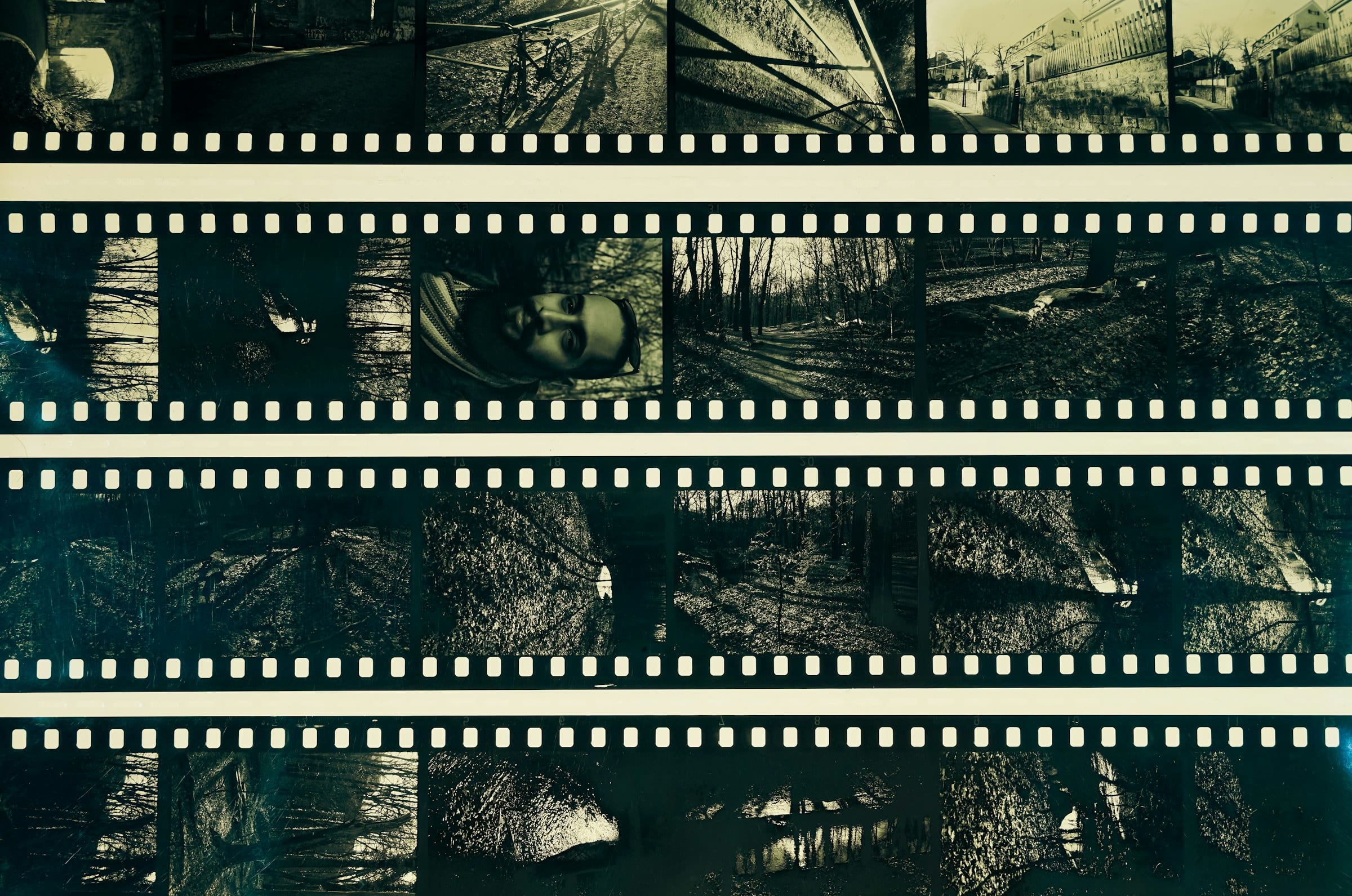
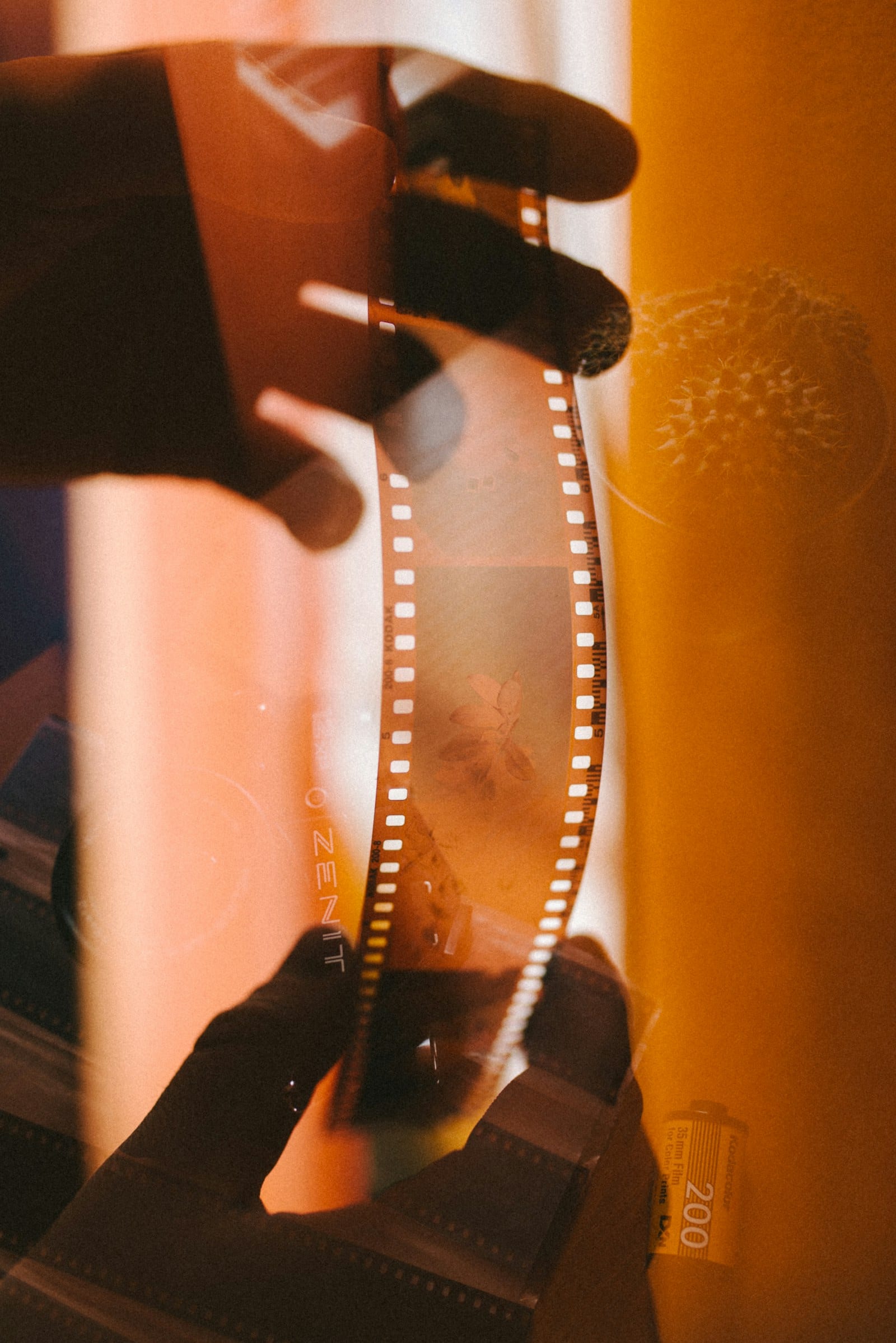
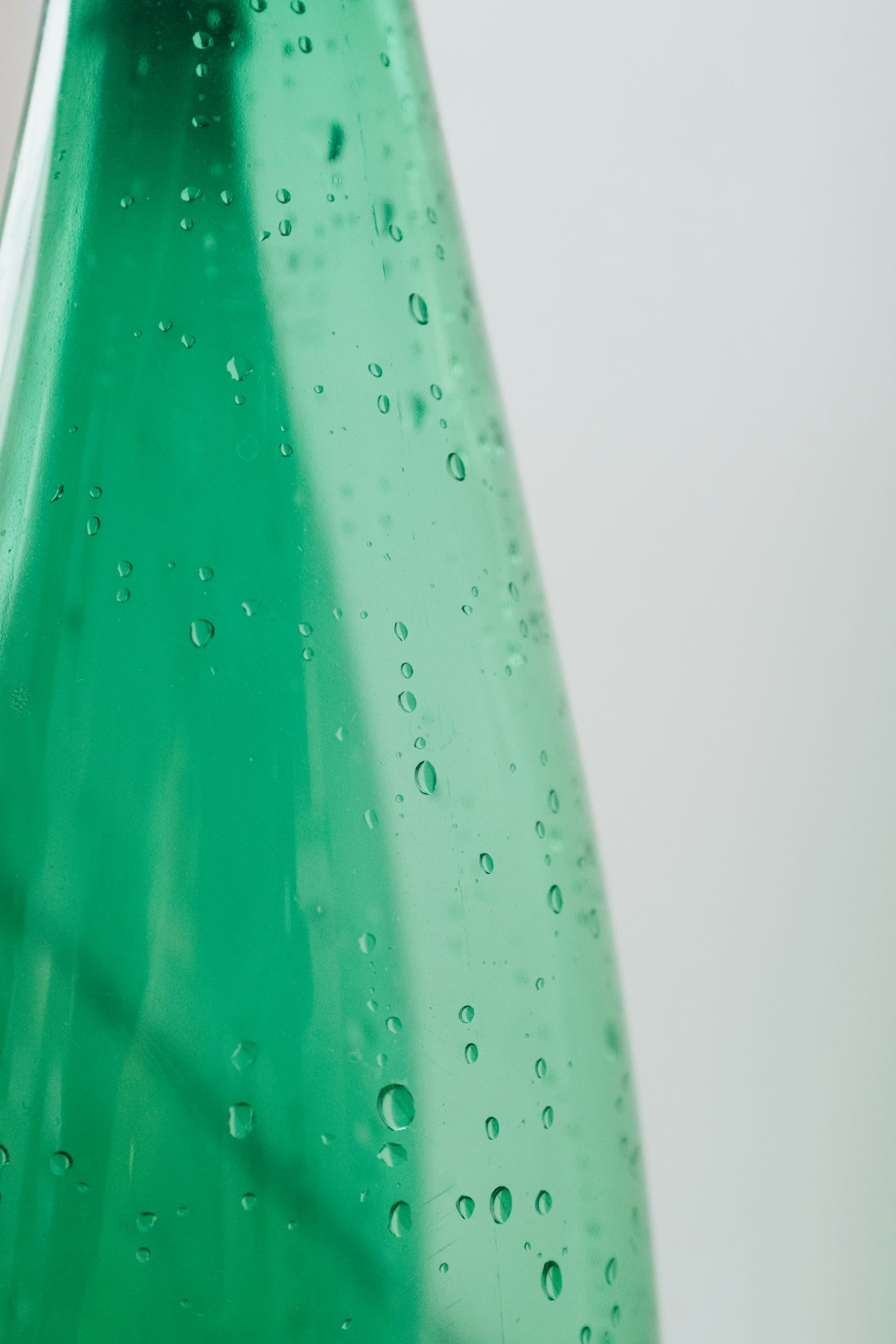
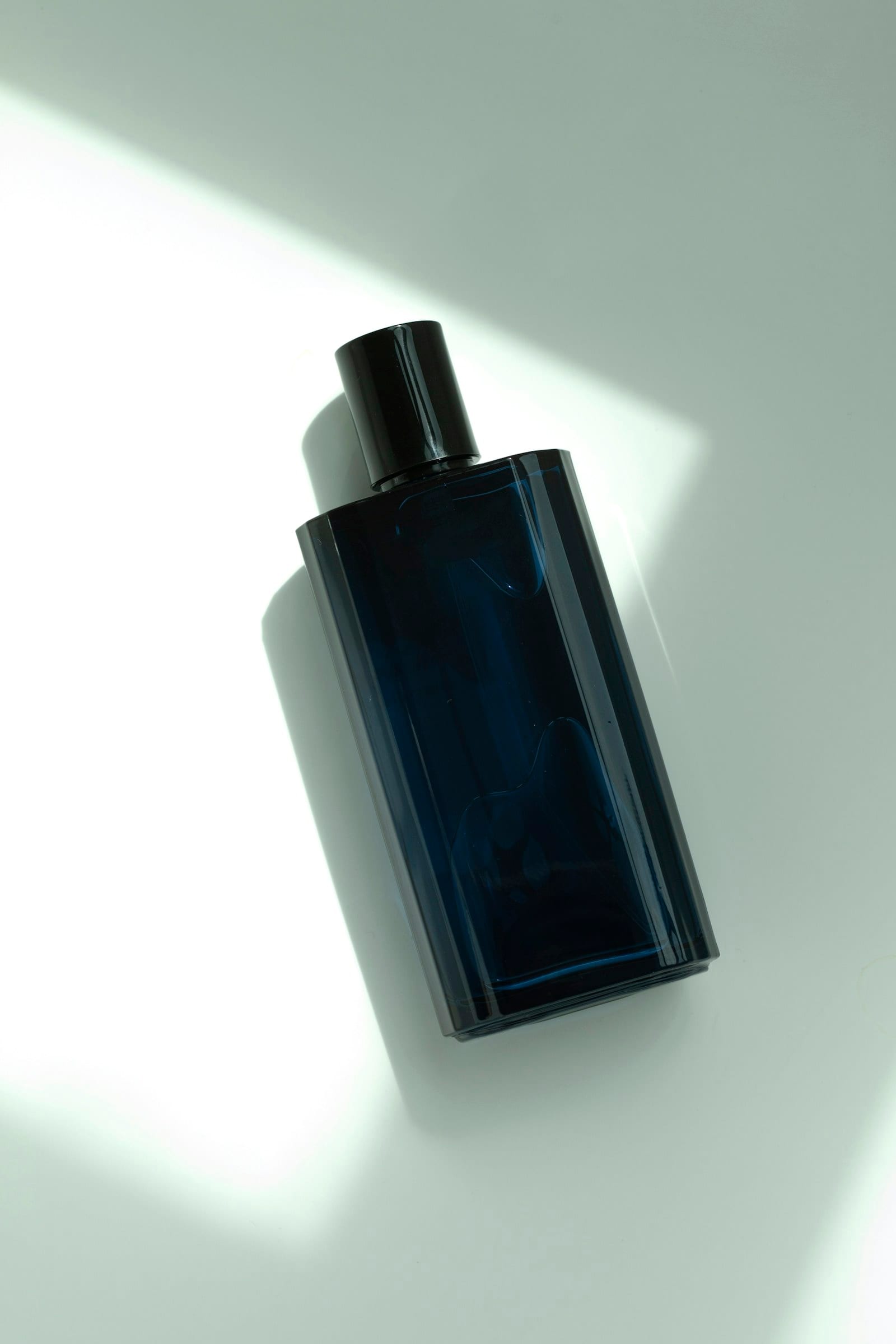
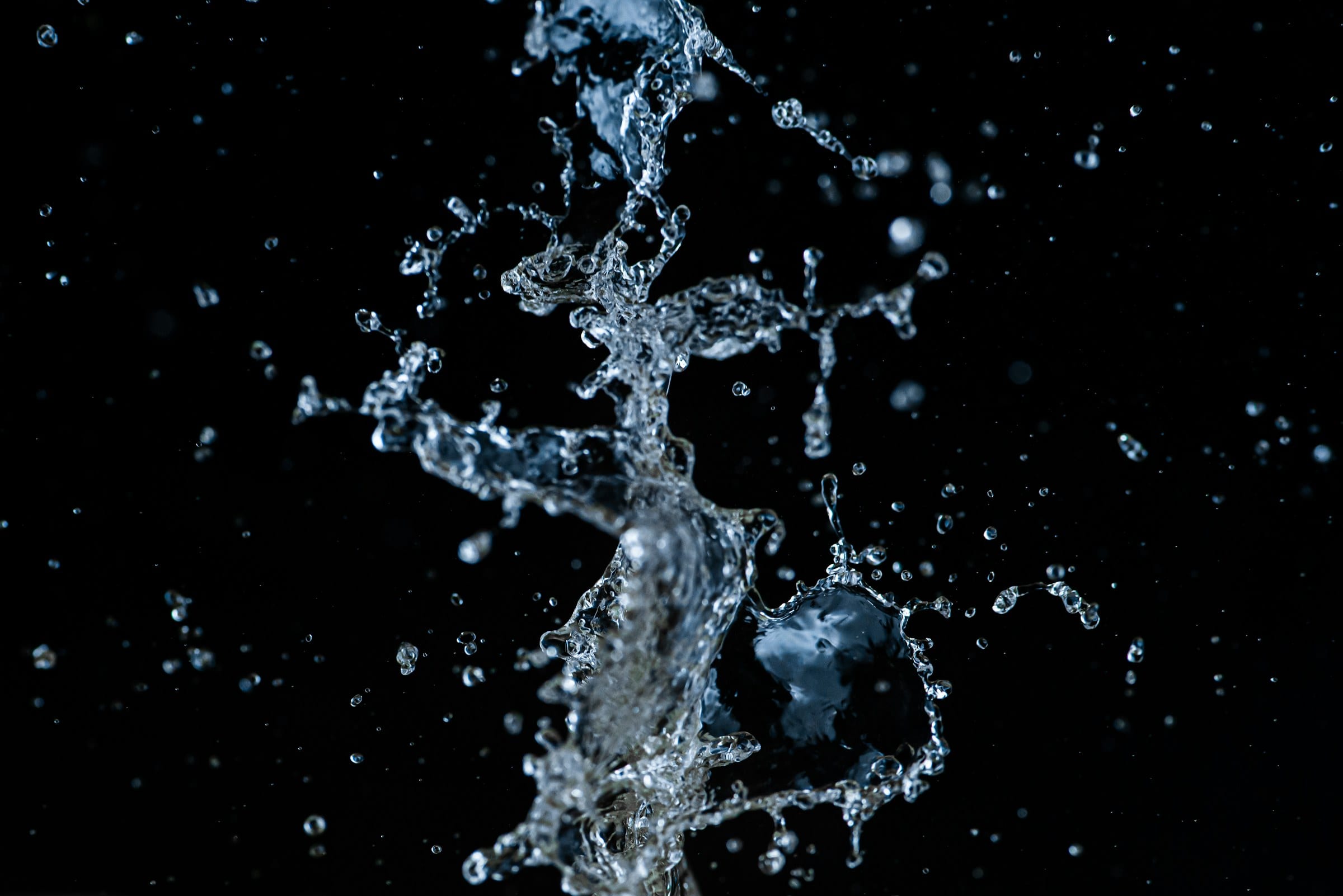
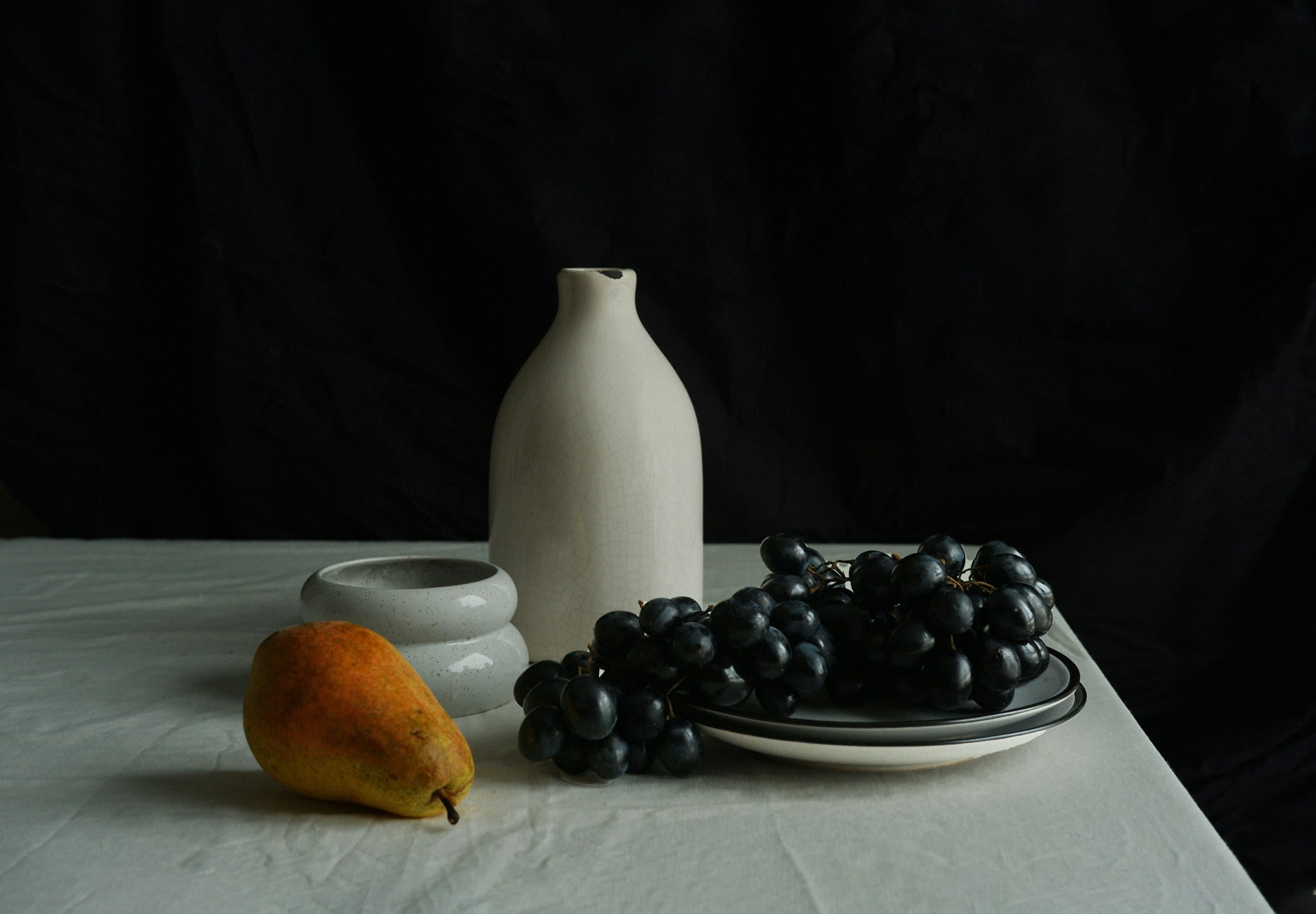
412 frames shot, 31 marked on the day, 8 on this sheet, 1 chosen. Rejected frames are kept, not deleted.
Each set is graded from a profile built on its own chart frame, then the look is applied on top, the same for every frame. Colour that matters, like a bottle or a skin tone, is measured, not judged by eye.
WHAT WE CHECK HERE: ΔE2000 against the reference chart, per set. Ondine: mean 1.1, worst patch 3.2.
Retouching removes what was never meant to be there: dust, a seam, a stand caught in the glass. Every change goes in a log you receive with the files. We don't change bodies, faces or products beyond what the log says.
WHAT WE CHECK HERE: every retouch layer listed, with what it changed. Ondine frame 01: 5 entries, 0.4% of the frame touched.
ONDINE_01_11A.tif · retouch log

01  sensor dust        12 spots   healed
02  bottle seam        1 line     softened, not removed
03  droplet field      2 hairs    cloned from 11B
04  label              -          left as printed
05  stand in the glass 1 shape    removed, see note
Before anything is delivered, the selects are printed on the paper they were profiled for and sent to the person who signs off. A screen can't tell you what a print will do. A print can.
WHAT WE CHECK HERE: the print is checked against the file under a D50 viewing light. Ondine: 6 prints, A3, one reprinted after a 2% density change.
Six A3 prints in a flat case, each signed on the back, with the proof sheet folded in front of them.
Baryta, 310 gsm, the stock the profile was built on.
Measured for this printer, this paper and this ink batch.
Checked at D50, 2000 lux. Look at it by a window, not under a desk lamp.
You mark the print, we change the file, we print again.
Every delivery is measured on the files we hand over: colour against the chart, print size, clipping, consistency across the set, profiles and rights metadata. The numbers travel with the files. If a check doesn't pass, you read it on the sheet first.
WHAT WE CHECK HERE: the proof sheet. Ondine: every check passed but one, delivered with its number and the reason.
| Check | Target | Measured | Status |
|---|---|---|---|
| Colour accuracy, mean of 24 patches | ΔE2000 2.0 or less | ΔE2000 1.1 | passes |
| Colour accuracy, worst patch | ΔE2000 4.0 or less | 3.2, patch 13 (blue) | passes |
| Print size at 300 dpi | A2, 4961 × 7016 px | 5464 × 8192 px | passes |
| Highlights clipped on the product | none | none | passes |
| Shadows clipped in the label | none | none | passes |
| Bottle colour the same across the set | ΔE2000 2.0 or less between frames | 2.6 in frame 14 | didn't pass |
| Colour profile embedded | every file | 48 of 48 | passes |
| Rights and usage metadata embedded | every file | 48 of 48 | passes |
Frame 14 is lit by one hard shaft of sun. Pulling it to 2.0 flattened the glass, so we stopped at 2.6 and said so. The client approved it in writing before delivery.
The Ondine studio day (concept), as the call sheet had it: fourteen and a half hours, six planned frames, and just under eight hours with the camera in hand.
Load-in. Van unloaded, riser set, filtered water left to warm to the room for the atomiser.
Build. Set built from the light diagram; the diagram photographed beside it.
Chart. Reference chart shot, tether and screen checked against it.
Frame 01. Glass beaded with water, backlit. 11A marked at 10:52.
Reset. Glass dried and misted again; flags stay where they are.
Lunch. Away from the set. Nobody touches the lights.
Frames 02–03. The split light, then the shaft of sun. New chart frame for each.
Frames 04–06. Water without the bottle, two heads at the shortest flash.
Safety. Clean plates, label close-ups, one frame of every set as it stands.
Strike. Set struck, the studio left as we found it.
Backup. Three copies on two sites before anyone goes home; the first grade on frame 01.
THE PROOF SHEET
A proof sheet is only useful if you know what each number can and can't tell you. Here is ours, line by line.
We don't generate images or composite a scene that wasn't in front of the camera without saying so on the proof sheet. We don't reshape bodies or faces. We don't shoot weddings or events, and we don't deliver a gallery of everything we shot. And we don't put a number on a case study that we didn't measure ourselves.
By the shot list, not by the hour. Once the one-page idea is agreed we know how many sets, frames and shoot days it takes, and we quote that as a fixed fee, with the licence priced separately so you can see both.
If the shot list grows, the quote changes before the shoot does. Nothing is added to an invoice that wasn't on a page you signed.
A licence written for how you said you'd use the photographs: media, territory and term, for example print and digital, worldwide, three years. It is embedded in every file and set out in one document.
Extending it later is a short email and a known fee. Exclusive or perpetual licences are possible and priced as such.
Yes. Architecture and editorial work is mostly on location, and the method travels with us: the chart, the calibrated screen and the light diagrams come on every job. Travel is quoted at cost, on the same page as the fee.
Digital by default: it is tethered, measurable and quick to prove. We shoot medium-format film when the brief calls for its grain and its colour, and the film is scanned, profiled and checked like any other file. The proof sheet says which is which.
The contact sheet arrives the evening of the shoot. Graded and retouched selects, the proof prints and the proof sheet follow in ten working days for a typical one-day shoot; larger series are scheduled in the quote.
We do, and we keep them on two sites for five years, so a reprint or a new crop is always possible. You own your licence to the delivered photographs. If you need the raw files themselves, they can be licensed with the job or later.
As far as the log allows: dust, seams, stray reflections, a stand caught in the glass, a blemish that won't be there next week. We don't reshape bodies or faces, change a product's form or colour beyond its real specification, or composite a scene without saying so on the proof sheet.
People and interiors, yes: two of our three case studies are exactly that. Food and drink, yes, when it is product-led. For anything that needs a specialist rig, like moving cars or underwater work, we say so early and either bring in someone we trust or tell you who to call.
Halide is a photography and art-direction studio: a photographer, an art director and a retoucher, with crews we have worked with for years. We direct every shoot, sign off every file, and answer for every number on the sheet.
Silver halide is the light-sensitive crystal in film and photographic paper. Light strikes it, the darkroom brings out what is already there. We named the studio after it, and the method after the room.
Send a short brief or write to us. We'll come back with questions, then one idea for the shoot before anything is booked.
studio@halide.studio